

Wednesday, April 8, 2026


Invitation and Brochure of Kreedaa Kaushalya 2026


Thursday, March 5, 2026
Look out for the Eleventh Edition of Kreedaa Kaushalya 2026
 |
| Nandi and Bhringi playing Chaukabara. Artist Jagadish M. Kamble |
An exclusive showroom, one and only in India and first of its kind will be inaugurated on the same day. It will feature boardgames in a variety of craft forms like wood, cloth, metal and woven fabrics. It will also have a section of children toys educational objects which are crafted in wood.
The second edition of the popular publication 'Indian Traditional Boardgames A Guide to the Art of Play' co-authored by the team of researchers at Ramsons Kala Pratishtana will be released.
As is the norm, a new boardgame will be added to the repertoire of existing games and a new boardgame in a new craft form will also be introduced at this expo. Mark the dates and visit the exhibition for a unique journey into the varied craft traditions of India.
The expo will be open from 4th April to 31st May 2026. 10 am to 7 pm.
An exclusive gaming parlour to play and learn the varied games numbering about 27 will be open between 4 pm to 7 pm with experienced gamers as instructors.
Entry is free and open for public.
Come, join us for an unbelievable visual and hands-on experience of a lifetime.
New Games and Crafts at Kreedaa Kaushalya 2024
Colourful bits of cloth have been stitched to create vibrant artefacts like lamp shades, wall hangings, torans, etc., in the applique craft at Pipili, Odisha. RKP team visited Pipili and Puri in November 2022 and were mesmerised by this colourful craft which has several layers of In many house-holds of Uttarakhand, womenfolk weave traditional woollen mini carpets. This beautiful craft form is from the Himalayas. Chaukabara game boards have been created in this craft. Daadu - played only by the Dawoodi Bohra community of Gujarat - has recently been documented. Crafted in Lambani embroidery along with Channapatna counters, this new game board is being introduced in this edition of the exhibition.
Thursday, May 23, 2024
Kreedaa Kaushalya 2024 - Inauguration
Friday 17 May 2024 was a red letter day at Ramsons - it was inauguration of 10th edition of the exhibition of traditional boardgames of India, Kreedaa Kaushalya.


 |
| Chief guests being welcomed by traditional nadaswara |
 |
| Chairman of Ramsons Kala Pratishtana, R. Ajay Kumar Singh garlands Rajabahadur Khem Sawant Bhonsle VI of Sawantwadi royal family. |
 |
| Ms. Preeti welcomes RanisahebShubhadadevi Khem Sawant Bhonsle of Sawantwadi royal family with a beautiful bouquet of orchids. |
 |
| Smt. R. Harintiha Singh garlands Ranisaheb . |
 |
| Sri Rangoli Srikanth garlands artist Ganjifa Raghupati Bhat |

 |
| Puppets of Mysuru Puppet Theatre welcome the dignitaries with a brief performance |


 |
| Art Historian and designer Raghu Dharmendra explaining the display at the exhibition |


 |
| Rajabahadur Khem Sawant Bhonsle VI and Ranesaheb Shubhadadevi Khem Sawant of Royal family of Sawantwadi inaugurated the 10th edition of Kreedaa Kaushalya by lighting the lamp. |

 |
| Heralding novelty at Kreedaa Kaushalya |

 |
| Rajabahadur Khem Sawant Bhonsle VI released the 5-house Chaukabara game board in the woolen mini pile carpet craft of Sarmoli, Uttarakahnd, Ranisaheb Shubhadadevi Khem Sawant released the 7-house Chaukabara in the applique craft of Pipili, Odisha and Ganjifa Raghupati Bhat released the newly introduced gameboard of Daadu in the Lambani embroidery craft. |
 |
| Advisor of RKP, Raghu Dharmendra shows the gameboard of Aligulimane (Mancala) which he designed in the lost wax process of bonze casting. |

 |
| On behalf of RKP, Smt. Prema Simha garlands Ranisaheb |

 |
| On behalf of RKP, Smt. Bharati Madhukar presents a saree with a pallu design containing the Pagaday board game design, to Ranisaheb |
 |
| Advisor of RKP, Sri L.P. Madhukar presents a shawl to Rajasaheb. |
 |
| Trustee of RKP, Sri Rahul Singh garlands Rajasaheb. |
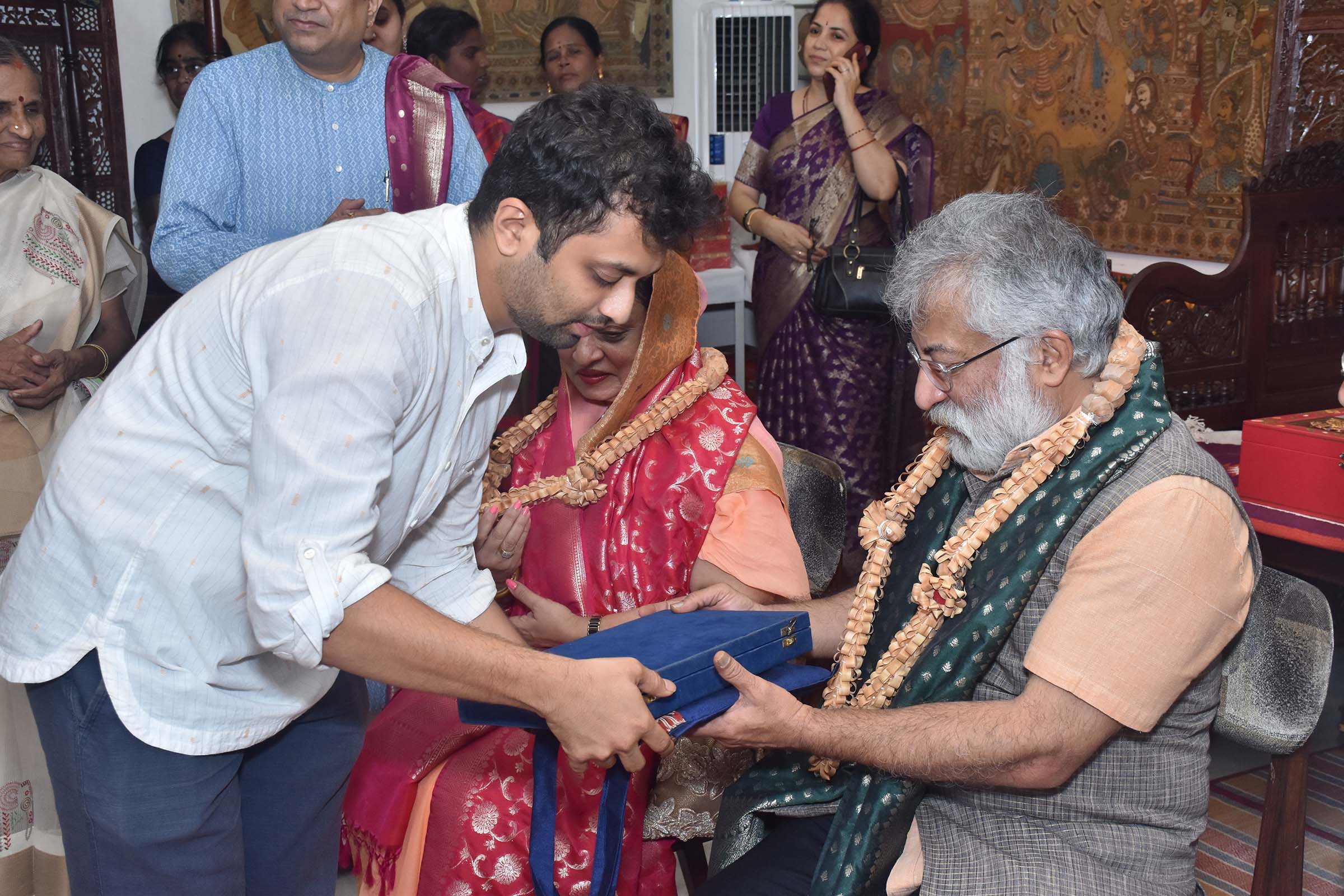 |
| Advisor of RKP, Sri Sachin presents a memento to Rajasaheb. |
 |
| On behalf of RKP, Sri Santosh presents a shawl to Sri Bhat. |
 |
| On behalf of RKP, Sri K.S. Shreehari garlands Sri Bhat. |
 |
| On behalf of RKP, Sri Santosh presents a memento to Sri Bhat. |

 |
| An impromptu game of Pagaday |

Monday, May 13, 2024


Kreedaa Kaushalya 2024 - Brochure


£ÀªÀÄävÀ£ÀzÀ,
¨sÁævÀÈvÀézÀ MqÀ£Ál vÀgÀ§®èzÀÄ Dl. ¨Á®åzÀ ªÉÄ®ÄPÀÄ ºÁPÀĪÁUÀ¯É®è, DrzÀ DlUÀ¼ÀÄ,
eÉÆvÉAiÀÄ°è DrzÀªÀgÀ ªÀÄÄRUÀ¼ÀÄ ªÀÄ£ÀªÀÄÄPÀÄgÀzÀ°è «ÄAa «Ä£ÀÄUÀĪÀÅzÀÄ ¸ÀºÀd.
ªÀÄ£À¸ÀÄì-ªÀÄ£À¸ÀÄìUÀ¼À£ÀÄß PÀÆr¹ ¨sÀzÀæUÀAlÄ ºÁQ ¨É¸ÉAiÀħ®è §æºÀä±ÀQÛ
DlUÀ½UÀÄAlÄ. £ÀªÀÄäµÀÖgÀ¯Éèà KPÉ, ¥Áæt ¥ÀQëUÀ¼ÀÆ PÀÆqÀ DºÁgÀ-gÀPÀëuÉUÀ½UÀµÉÖÃ
C®èzÉ ¥ÀgÀ¸ÀàgÀ ZÉõÉÖAiÀiÁqÀÄvÁÛ ¨ÉgÉAiÀÄĪÀÅzÀ£ÀÄß PÁt§ºÀÄzÀÄ. DlUÀ¼À F
ªÀiÁAiÀiÁªÉÆÃrAiÀÄ£ÀÄß D£ÀA¢¸ÀzÉ EgÀĪÀªÀgÀÄ AiÀiÁgÀÆ E®è.
ºÁ¸ÀÄ DlUÀ¼À D¥ÁåAiÀÄvÉ, «±ÉõÀvÉUÀ½AzÀ ¥Àæ¨sÁ«vÀªÁzÀ gÁªÀiï¸À£ïì PÀ¼ÉzÀ 25 ªÀµÀðUÀ½AzÀ ºÁ¸ÀÄ Dl-DnPÉUÀ¼À ¸ÀAUÀæºÀ, ¥Àj±ÉÆÃzsÀ£À, ¥ÀÄ£À±ÉÑÃvÀ£À, ¥ÀÄ£À¤ðªÀiÁðt, fÃuÉÆÃðzÁÞgÀUÀ½UÉ PÀn§zÀÞªÁV ¤AwzÉ. PÀgÀPÀıÀ®PÀ¯ÉUÀ¼À zÉúÀzÀ°è ºÁ¸ÀÄDlUÀ¼À ZɮĪÀÅ ªÀÄÆr¹ `QæÃqÁ P˱À®å' ¨É¼É¢zÉ. Dl DqÀĪÀ VüÀ£ÀÄß ¥ÀæZÁgÀ ªÀiÁqÀ¯ÉAzÉà gÁªÀiï¸À£ïì ªÀiÁrzÀ D±Á ¥ÀæAiÉÆÃUÀ«zÀÄ.
ªÉÄʸÀÆgÀÄ ¥ÀæzÉñÀzÀ ¥ÀÄgÁtªÉÇAzÀÄ D¢±ÀQÛAiÀÄ£ÀÄß DlzÀ ¥Àæ¥ÀAZÀPÉÌ ¨É¸É¢zÉ. £ÀAd£ÀUÀÆqÀÄ ¹ÃªÉÄAiÀÄ, PÀ¼À¯É ¥ÁæAvÀåzÀ PÉëÃvÀæ¥Á°¤, PÉʪÀ¯ÁåzÉë. ¸ÀÆAiÀÄð vÀ£Àß PÀ£ÉåAiÀÄ£ÀÄß ¸ÉÃjzÁUÀ, EgÀļÀÄ ºÉ¥ÀÄàUÀnÖzÀ PÀvÀÛ¯ÉAiÀÄ°è vÀ£Àß zÉêÀ¸ÁÜ£À¢AzÀ ºÉÆgÀ©zÀÄÝ, zÉë PÉʪÀ¯ÉåAiÀÄÄ vÀ£Àß Hj£À J¯ÉèUÀ¼À£ÀÄß ¸ÀÄwÛ UÀ¸ÀÄÛ ºÉÆqÉzÀÄ ºÀwÛgÀzÀ ªÀ£ÀzÀ°è ©¹ªÀÄÄzÉÝ ªÀiÁrPÉÆAqÀÄ ªÉÄzÀÄÝ, ¨É¼ÀPÀÄ ºÀjAiÀÄĪÀ ªÀÄÄAZÉ vÀ£Àß UÀÄrAiÀÄ PÀ®ÄèºÁ¹zÀ £É®zÀ°è PÉÆgÉ¢gÀĪÀ C½UÀĽªÀÄ£ÉAiÀÄ UÀĽUÀ¼À°è ¹ÃvÉAiÀiÁlªÁr vÀ£ÀߣÀÄß gÀAf¹PÉÆAqÀÄ vÀ£Àß ©A§zÀ°è °Ã£À¼ÁUÀÄvÁÛ¼É JAzÀÄ C°èAiÀÄ LwºÀå.
13£Éà ±ÀvÀªÀiÁ£ÀzÀ°è EAzÁæAiÀÄtÂà £À¢wÃgÀzÀ°è ¸ÀAvÀ eÁÕ£ÉñÀégÀgÀÄ EA¢£À ºÁªÀÅ-Kt DlzÀ ªÀÄÆ®ªÁzÀ `ªÉÆÃPÀë ¥Àl'ªÀ£ÀÄß gÀa¹zÀgÀÄ. ªÀÄPÀ̽UÉ zsÀªÀÄð¥ÀæeÉÕAiÀÄ CjªÀÅ ªÀÄÆr¸À®Ä ºÁªÀÅ-KtÂUÀ¼À gÀÆ¥ÀPÀUÀ¼À£ÀÄß G¥ÀAiÉÆÃV¹ gÀa¸À¯ÁzÀ `eÁÕ£À ZË¥Àqï' JA§ Dl«zÀÄ. ¨sÁgÀvÀ¢AzÀ gÀ¥sÁÛzÀ DlUÀ¼À°è Erà «±ÀézÀ ªÀÄPÀ̽UÉ M½vÀÄ-PÉqÀÄPÀÄUÀ¼À£ÀÄß ºÉýPÉÆqÀÄwÛgÀĪÀ KPÀªÀiÁvÀæ Dl«zÀÄ.
MAzÉÆAzÀÄ PÁ®zÀ°è ¸ÀȶÖAiÀiÁV ¸ÁªÀiÁfPÀ PÉÆqÀÄUÉUÀ¼ÁV d£ÀgÀAdPÀªÁVzÀÝ DlUÀ¼À£ÀÄß ¥ÀÄgÁuÉÊwºÁ¹PÀ ¥Àæ¸ÀAUÀUÀ¼À ªÀÄÆ®PÀ £É£À¥ÀÄ ªÀiÁrPÉÆqÀÄvÁÛ, CªÀÅUÀ¼À°è PÉ®ªÀÅ ¤ªÀÄUÀÆ ¥ÀjZÀAiÀÄ«zÀÝgÉ CªÀÅUÀ¼À ¸ÀÄvÀÛ®Æ CqÀVgÀ§ºÀÄzÁzÀ ¨sÁªÀÅPÀ £É£À¥ÀÄUÀ¼À£ÀÄß PÉzÀPÀ¯ÉAzÉà ºÁ¸ÀÄ-zÁ¼ÀUÀ¼À ªÉÄüÀ `QæÃqÁ P˱À®å' vÀAiÀiÁgÁVzÉ.
10£Éà zÉéöʪÁ¶ðPÀ ¨ÉùUÉ ¥ÀæzÀ±Àð£À `QæÃqÁ P˱À®å' zÀ°è ¨sÁgÀvÀzÀ 30 ¸ÁA¥ÀæzÁ¬ÄPÀ PÀgÀPÀıÀ® PÀ¯Á¥ÁæAvÀåUÀ¼À°è£À 100PÀÆÌ ºÉZÀÄÑ ªÀÄA¢ PÀ¯Á«zÀgÀÄ gÁªÀiï¸À£ïì£À «£Áå¸ÀUÀ¼À£ÀÄß G¥ÀAiÉÆÃV¹ gÀa¹gÀĪÀ £ÀÆgÁgÀÄ gÀAUÀÄgÀAV£À DlzÀ ºÁ¸ÀÄUÀ¼ÀÄ ªÀÄvÀÄÛ DlzÀ ¥ÀjPÀgÀUÀ¼ÀÄ ¸ÁA¸ÀÌøwPÀ MqÀªÉUÀ¼ÀAvÉ CtÂAiÀiÁVªÉ.
F ªÀµÀðzÀ ¥ÀæzÀ±Àð£ÀzÀ°è PÉ®ªÀÅ ºÉƸÀvÀ£À«zÉ. MrñÁ gÁdåzÀ ¦¦° MAzÀÄ ¥ÀÄlÖ UÁæªÀÄ. C°èAiÀÄ §tÚ§tÚzÀ §mÉÖAiÀÄ D¦èPÉ PÀ¯É ¸ÀÄ¥Àæ¹zÀÞ. F PÀ¯ÉAiÀÄ°è ªÉÊ«zsÀåªÀÄAiÀÄ ºÁ¸ÀÄ DlUÀ¼À£ÀÄß gÁªÀiï¸À£ïì vÀ£Àß «£Áå¸ÀUÀ¼À£ÀÄß PÉÆlÄÖ ªÀiÁr¹zÉ. GvÀÛgÁRAqÀzÀ ªÀģɪÀÄ£ÉUÀ¼À°è ºÉtÄÚªÀÄPÀ̼ÀÄ MAzÀÄ ¥ÀÄlÖ PÉʪÀÄUÀÎzÀ°è vÀªÀÄUÉ ¨ÉÃPÁzÀ GuÉÚAiÀÄ gÀvÀßUÀA§½UÀ¼À£ÀÄß £ÉÃAiÀÄÄvÁÛgÉ. F PÀ¯ÉAiÀÄ°è DlzÀ ºÁ¸ÀÄUÀ¼À£ÀÄß gÀa¹gÀĪÀÅzÀÄ EzÉà ªÉÆzÀ®Ä. UÀÄdgÁw£À ¨ÉÆúïgÁ ¥ÀAUÀqÀzÀªÀgÀÄ DqÀĪÀ «²µÀÖ `zÁzÀÄ' DlªÀ£ÀÄß ¸ÀAqÀÆj£À ®A¨Át PÀ¸ÀÆwAiÀÄ°è gÀa¸À¯ÁVzÉ. EzÀÄ QæÃqÁ P˱À®åzÀ°è ºÉƸÀzÁV ¥ÀjZÀ¬Ä¸ÀÄwÛgÀĪÀ ¸ÁA¥ÀæzÁ¬ÄPÀ ºÁ¸ÀÄDl.
¨ÉùUÉAiÀÄ ¸ÀÄqÀÄ©¹® ¢£ÀUÀ¼À ªÀÄzsÉå §A¢gÀĪÀ F DlzÀ ªÉÄüÀ ¸ÀAvÀ¸ÀzÀ, £ÀUÀÄ«£À¯ÉUÀ¼À vÀÄAvÀÄgÀÄUÀ½AzÀ G¯Áè¸À vÀgÀ¯ÉAzÀÄ GvÀÌmÉÃZÉÒ. MAnvÀ£ÀzÀ ©gÀĨÉùUÉ ¥Àæ¥ÀAZÀªÀ£Éßà £À®ÄV¸ÀÄwÛgÀĪÀ F PÁ®zÀ°è PÀªÀqÉ, zÁ¼ÀUÀ¼À PÀÄ®ÄPÀÄ®Ä £ÁzÀ¢AzÀ ºÀÈzÀAiÀÄUÀ¼À£ÀÄß ¨É¸ÉAiÉÆÃt, ¨ÉgÉAiÉÆÃt. DlUÀ¼À DqÉÆÃt, §¤ß.
Play, games and sports forge friendship and deepen bonds. Games are pleasurable pastimes bringing hearts closer. Not only humans but also the birds and animals display bonding through play. This is the magic of play from which no being is left untouched.
Board games hold a world of laughter, good feeling, camaraderie and bonding which influenced Ramsons to collect, research, reinvent, rejuvenate and resurrect traditional board games since the year 2000 CE. We have intertwined the tradition of game boards with the craft traditions of the sub-continent. The extensive research and documentation at archaeological sites, exhibits at important museums and viewing personal collections over a seven years period finally resulted in the exhibition of 'Kreedaa Kaushalya' for the first time in the year 2007 CE - this has become a platform to create awareness about board games and its importance.
Kalale, about 5 kms. from Nanjanagud, is the seat of Sri Kaivalya Devi the presiding deity of this rural hinterland. Legend says that, at the end of the day, the Goddess animates herself from her image and takes stock of her lands. Just before the dawn she enjoys a solitary game - Seetadevi Ata - in the Aligulimane (Mancala) pits gouged out in the flagstone of her shrine and returns to her image as the Sun rises.
In another legend, on the banks of Indrayani river, Saint Gyaneshwar (1275-1296 CE) of Alandi (part of present day Maharashtra) designed a game board 'Moksha Pata' which is known world over as 'Snakes and Ladders'. He distilled the complex thoughts of Vedas and Upanishads and incorporated them into a simple board game which symbolised good deeds as ascending ladder and bad deeds as being bitten by a snake. Since then, this game has been infusing morals to the children of every generation.
Mythology of the land is thus inextricably embed-ded in the gaming tradition of India. This fecund heritage is the inspiration for Ramsons Kreedaa Kaushalya. Thousands of game board artefacts lovingly created by hundreds of artists from thirty craft clusters across the country have been diligently curated for the tenth edition of this exhibition. The design intervention and production of game boards, counters and accessories by Ramsons are a unique endeavour unparalleled in the field.
New products: Colourful bits of cloth have been stitched to create vibrant game boards at Pipili, Odisha. In many house-holds of Uttarakhand, womenfolk weave traditional woollen mini carpets. This beautiful craft form is from the Himalayas. Chaukabara game boards have been created in this craft. Daadu - played only by the Dawoodi Bohra community of Gujarat - has recently been documented. Crafted in Lambani embroidery along with Channapatna counters, this new game board is being introduced in this edition of the exhibition.
With the scorching summer sapping off energy, let us rejuvenate with a fresh edition of Kreedaa Kaushalya which will help bring families together around a board game. Come, roll the dice.
Subscribe to:
Posts (Atom)